

Backtests that distinguish structural portfolio behavior from real-world implementation.
This page presents two complementary views of Asymmetric Growth (AG): a rules-based backtest that rebalances to target weights at each month end using daily adjusted-close data, and a live implementation record based on actual execution, contribution timing, and realized portfolio behavior since inception.
Shows how the rules-based AG portfolio compounded under fixed target weights, month-end rebalancing, and limited-history re-scaling where needed.
Shows the depth and duration of peak-to-trough declines in the model. Use it to frame path dependency, recovery behavior, and regime sensitivity.
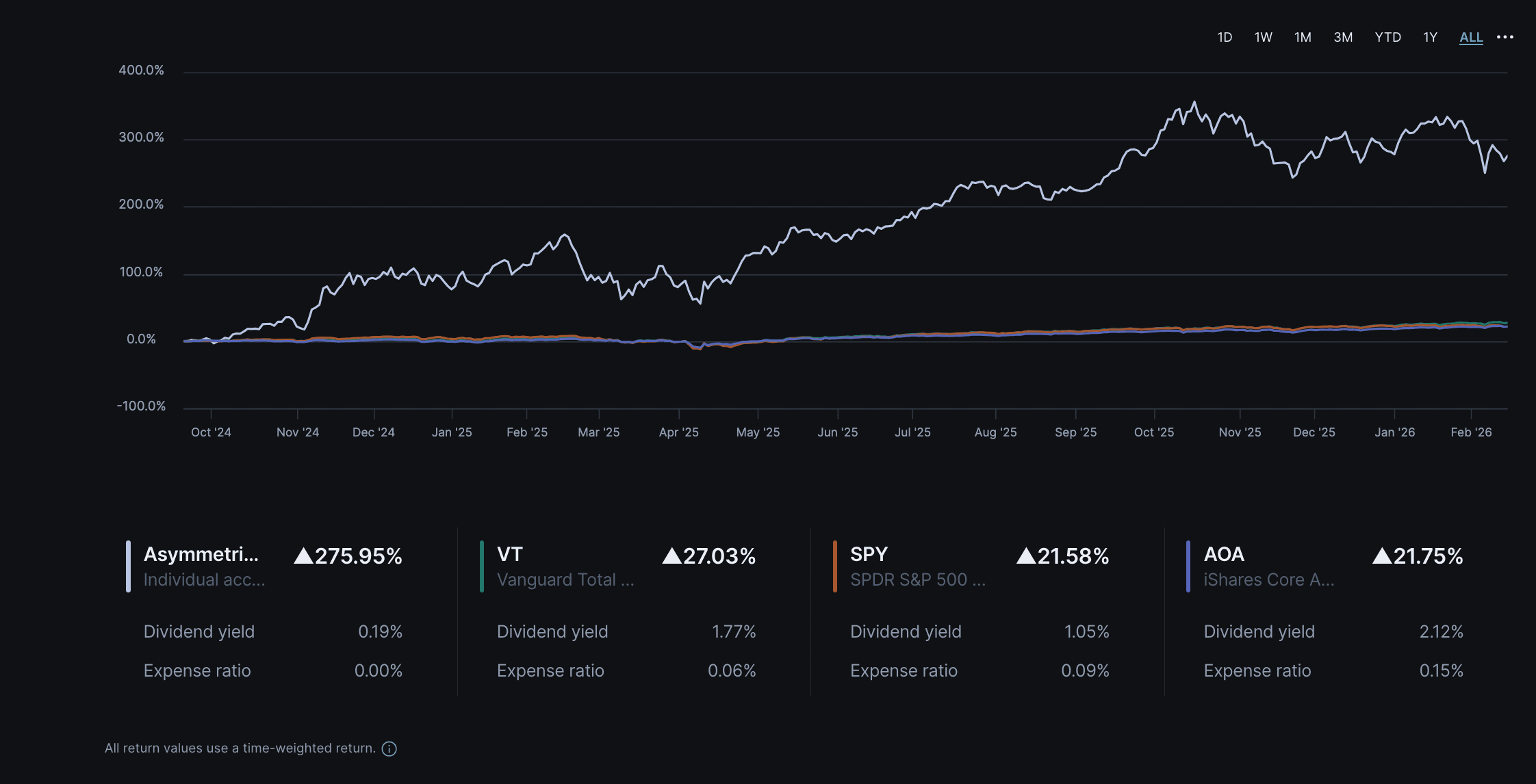
Reflects actual executed performance since inception, including real contribution timing, implementation decisions, and the lived portfolio path rather than a hypothetical paper track record.
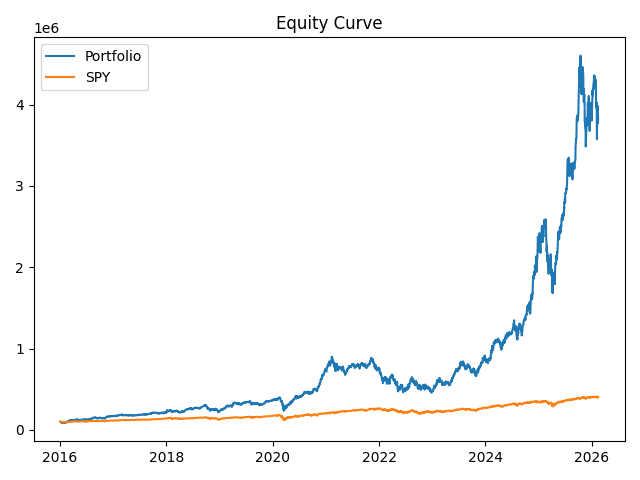
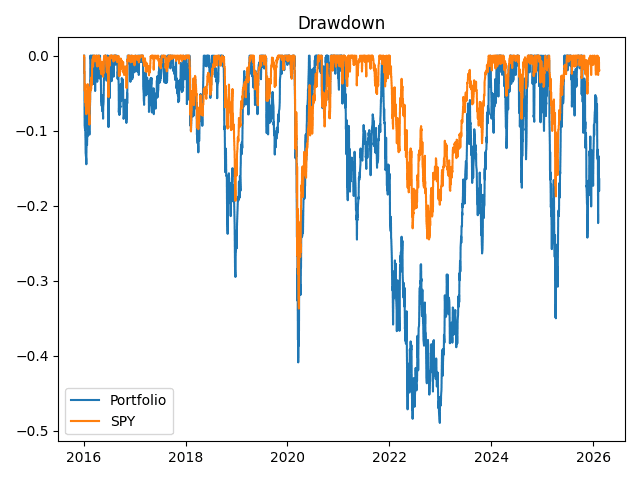
The rules-based backtest uses daily adjusted-close data, fixed target weights, and month-end rebalancing. When a holding does not yet have trading history on a rebalance date, it is excluded for that period and the remaining investable weights are re-scaled proportionally. The model also applies a simple turnover-based fee assumption, but it is not a full execution simulator and does not model taxes, liquidity constraints, bid-ask spreads, staged entries, or exact real-world cash flows.
The live AG sleeve shown above serves a different purpose: it reflects actual execution, contribution timing, and realized portfolio behavior since inception. These two views are designed to complement one another rather than match period by period.
The backtest is designed to show how a consistent AG weight framework behaved over time under a transparent, rules-based rebalance process.
Because newer holdings enter the model only when price history becomes available, earlier periods should be read as an available-history version of the sleeve rather than a perfect reconstruction of today's full portfolio.
The live sleeve is designed to show the actual operating path of the strategy since inception under real funding, execution, and timing conditions.